Tiered Reward Systems Driving Sustained Roulette Engagement in British Online Casinos
Greta Krause · Jun 8, 2026
Tiered Reward Systems Driving Sustained Roulette Engagement in British Online Casinos
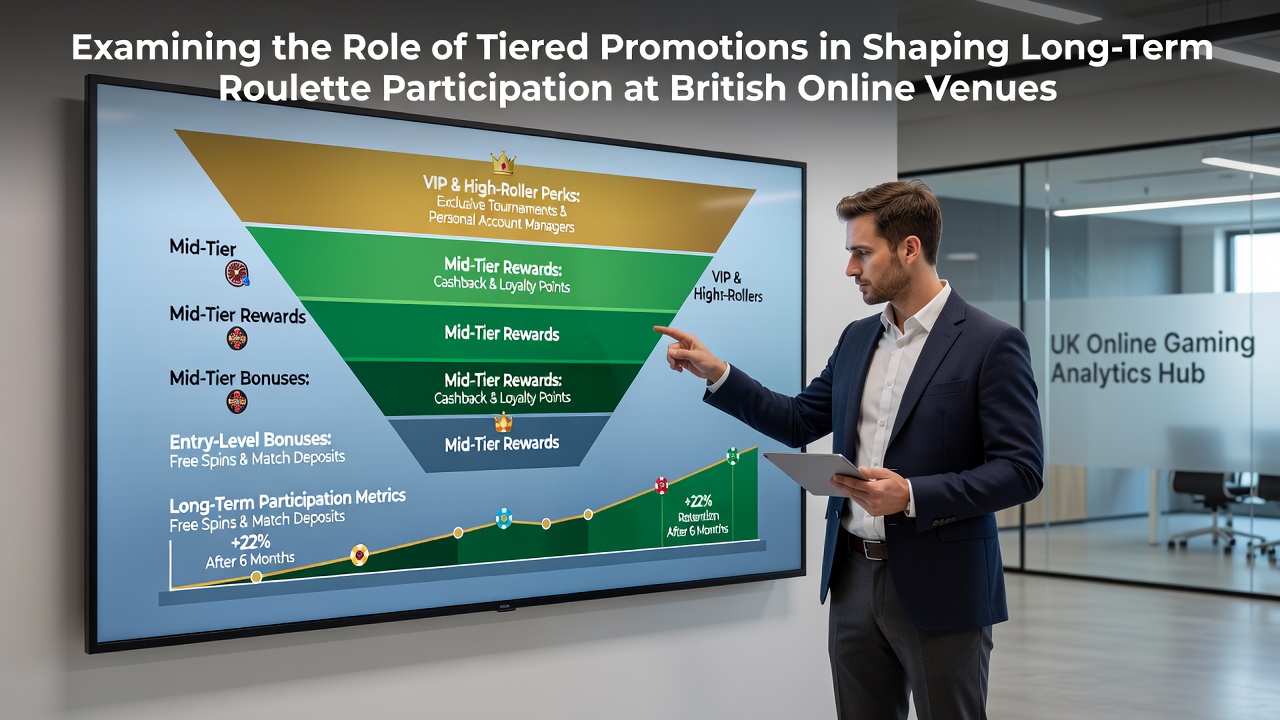
Players at British online venues encounter tiered promotions structured around cumulative play metrics that unlock escalating benefits over extended periods, and these systems shape participation patterns in roulette by rewarding consistent engagement rather than isolated sessions. Research from the University of Nevada Gaming Research Center indicates that such programs correlate with measurable increases in repeat visits, particularly when rewards scale across multiple levels tied to wagering volume and frequency.
Mechanics Behind Progressive Loyalty Frameworks
Tiered structures typically begin with entry-level status that offers baseline perks such as enhanced cashback percentages on roulette losses, then advance through intermediate stages granting access to higher match rates on deposits and exclusive tournament entries while the uppermost tiers deliver personalized account managers alongside accelerated withdrawal processing and tailored bonus multipliers. Data compiled by the Canadian Centre for Gaming Research shows these progressions often require players to maintain activity thresholds across quarterly windows, which encourages sustained roulette participation as participants work toward the next reward bracket.
Operators integrate roulette-specific tracking that counts both real-money spins and qualifying bets toward tier advancement, and this approach differs from flat bonus models because it builds cumulative value that compounds over months rather than resetting after each promotion cycle. Figures from the Australian Institute of Family Studies reveal similar loyalty architectures in regulated markets produce longer average player lifespans when the rewards emphasize ongoing table game activity over one-time sign-up incentives.
Patterns of Long-Term Participation
Observers tracking British platforms note that roulette enthusiasts who reach mid-tier status demonstrate elevated session durations compared with those remaining at base levels, since the accumulating benefits create incentives to return before any status expiration dates. A longitudinal analysis conducted by researchers at the University of Sydney found that participants in tiered programs increased their monthly roulette volume by measurable margins once they crossed the second promotion threshold, attributing the shift to the perceived value of upcoming rewards.
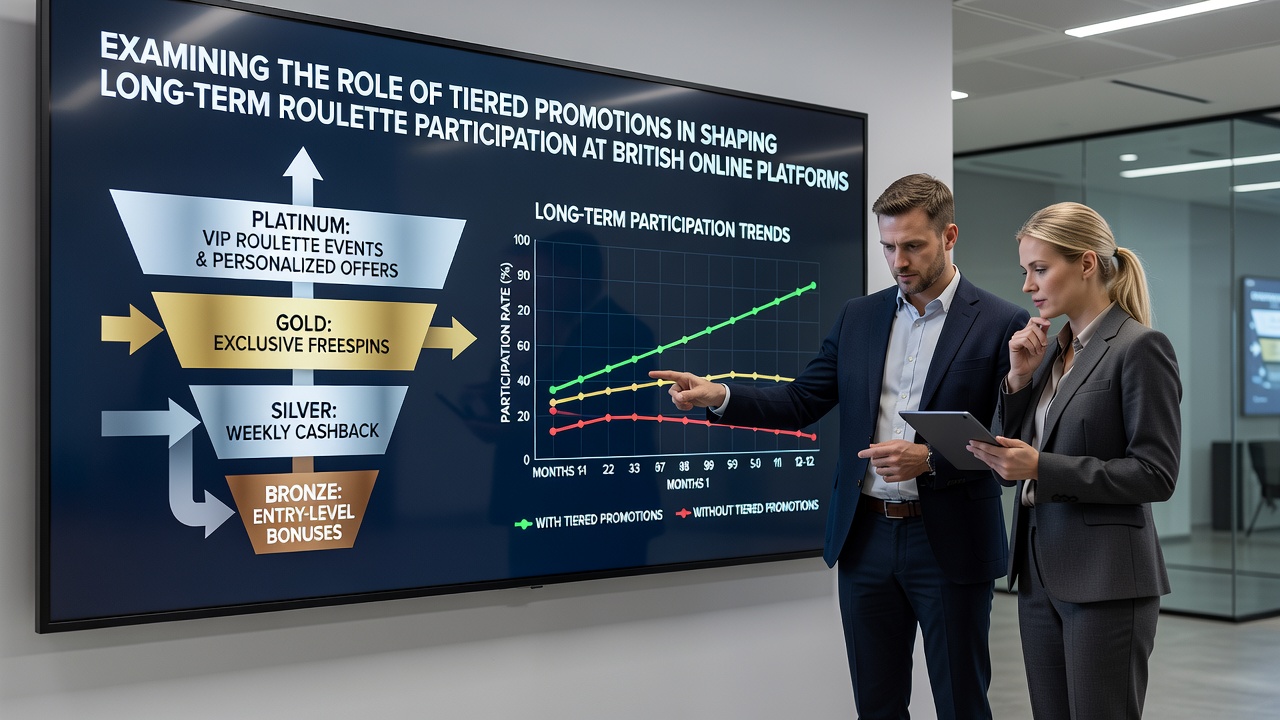
By June 2026 several major British operators had refined their tier calculations to incorporate live dealer roulette alongside virtual variants, which broadened the pathways players could use to climb the ladder and thereby diversified participation routes. Industry reports from the European Gaming and Betting Association highlight that venues adopting these adjustments recorded steadier retention curves throughout the first half of the year, with tiered members showing lower churn rates during periods of market fluctuation.
Comparative Influence Across Player Segments
High-volume roulette participants tend to accelerate through tiers more rapidly because their betting patterns generate the required points faster, yet lower-stakes players often sustain longer overall tenures once they enter the system since the slower progression still delivers incremental advantages that encourage habitual returns. Studies published by the National Council on Problem Gambling in the United States indicate that well-designed tier boundaries can moderate intensity by spacing reward unlocks, preventing abrupt jumps that might otherwise concentrate activity into short bursts.
British venues frequently publish transparent tier criteria on their sites, allowing players to monitor progress in real time and adjust their roulette strategies accordingly, and this transparency appears to reinforce commitment because participants can visualize the concrete steps needed to reach the next benefit level. External audits conducted by independent testing agencies confirm that point accumulation formulas remain consistent across roulette variants, which builds trust in the fairness of the progression system.
Conclusion
Tiered promotions function as structural elements that extend roulette participation timelines at British online venues by converting one-off sessions into progressive journeys marked by accumulating advantages. Evidence from multiple regulatory jurisdictions and academic sources demonstrates that these frameworks influence both frequency and duration of play when the rewards align directly with table game activity rather than ancillary features. Operators continue refining these systems to maintain engagement while complying with evolving standards, and the resulting data sets provide ongoing insight into how structured incentives shape long-term behavioral patterns within the sector.