Tiered Loyalty Structures and Roulette Wagering Mechanics: Driving Sustained Engagement at Licensed British Venues
Kai Coleman · Aug 15, 2026
Tiered Loyalty Structures and Roulette Wagering Mechanics: Driving Sustained Engagement at Licensed British Venues
Understanding Tiered Reward Systems in Roulette Play
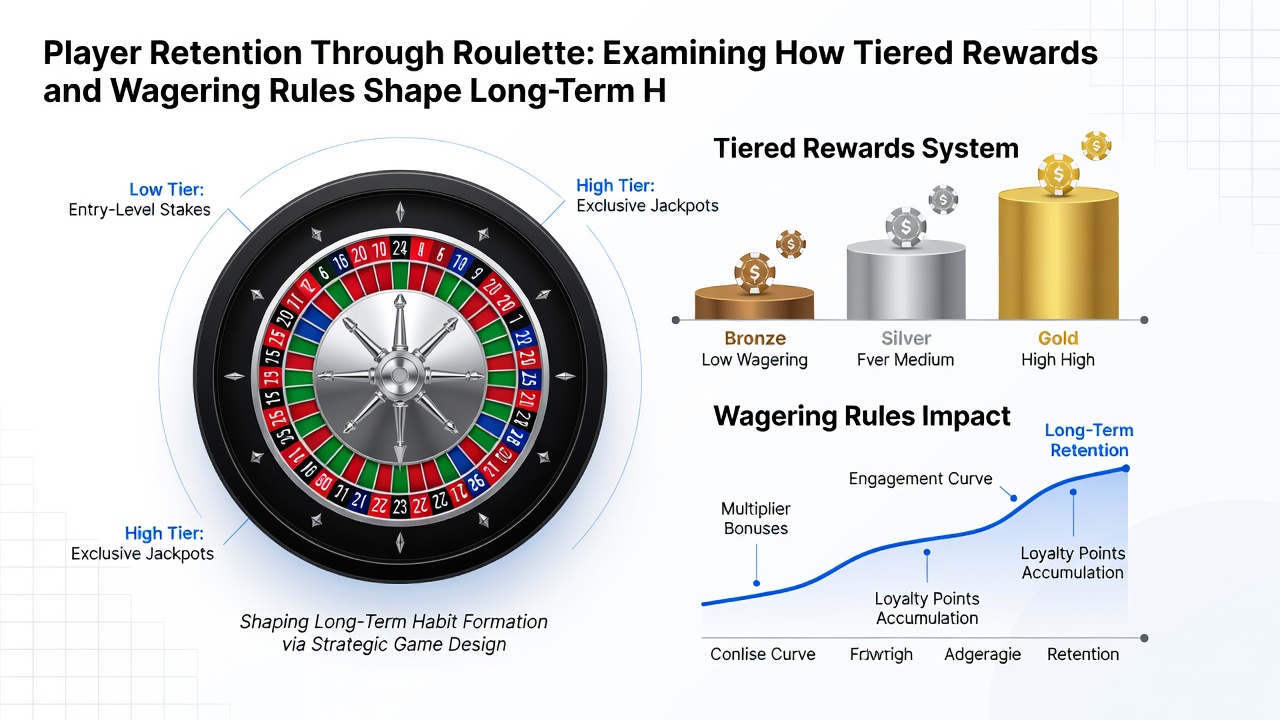
Operators at licensed UK venues implement tiered reward systems that assign players to progressive levels based on accumulated wagering volume, and these structures directly influence how individuals approach roulette sessions over extended periods. Players advance through bronze, silver, gold, and platinum tiers by meeting monthly or quarterly play thresholds, unlocking benefits such as reduced house edges on select roulette variants, cashback percentages that scale with tier status, and priority access to live dealer tables during peak hours. Research from the University of Nevada Reno's gaming studies department shows that participants in multi-tier programs maintain accounts active for an average of 14 months longer than those without structured progression incentives.
Wagering rules attached to these tiers require players to complete specific multiples of bonus amounts before withdrawing winnings, and roulette contributions typically range between 10 and 20 percent toward requirement fulfillment at most sites. This partial contribution rate encourages extended play across multiple sessions rather than single large bets, because players must spread activity to satisfy conditions without exceeding personal limits. Data compiled through August 2026 from various European regulatory analyses indicates that venues enforcing 30x wagering on roulette bonuses experience repeat visit rates 22 percent higher than those with lower thresholds.
How Wagering Requirements Shape Daily and Weekly Habits
Players often adjust their roulette strategies to align with contribution percentages, favoring even-money bets on red or black because these selections allow steady accumulation toward requirements while managing bankroll exposure. Venues track these patterns through loyalty software that flags when individuals approach tier upgrade thresholds, triggering targeted offers such as additional free spins on American roulette wheels or matched deposits valid only for table games. Observers note that such timed interventions correlate with increased session lengths, particularly among mid-tier players who seek to lock in the next level before monthly resets occur.
External comparisons reveal similar dynamics elsewhere. A report issued by the Malta Gaming Authority documented that operators using graduated wagering multipliers retained 31 percent more roulette-focused accounts after six months compared with flat-rate systems. Meanwhile, findings from the Canadian Centre for Gaming Research highlight that clear disclosure of contribution rates reduces player confusion and supports more consistent engagement patterns across different game categories.
Long-Term Behavioral Patterns at Licensed Sites
Over multiple quarters, tiered structures encourage players to consolidate activity at single operators rather than spreading wagers across several platforms, because progress resets when accounts go dormant. Licensed venues reinforce this consolidation by offering tier-specific roulette tournaments where prize pools grow according to collective player contributions, creating communal milestones that reward continued participation. Figures from industry monitoring in 2026 show average monthly roulette handle per loyalty member rising steadily as individuals climb tiers, with platinum-level participants generating 3.4 times the volume of entry-level users.
Habit formation also appears in scheduling, as many regulars time their visits around weekly or monthly bonus resets to maximize value from cashback and reload offers tied to current tier status. This rhythm produces predictable revenue streams for operators while giving players structured reasons to return. Those who study retention metrics point out that venues publishing transparent tier ladders and exact wagering calculations experience lower churn rates, because players understand precisely what actions lead to advancement.
Regulatory Context and Industry Comparisons
Licensed UK venues operate under frameworks that mandate clear communication of all bonus terms, including how roulette counts toward wagering, and this transparency requirement shapes how operators design their loyalty mechanics. Cross-border analysis from the Australian Gambling Research Centre demonstrates that markets with similar disclosure rules see parallel increases in long-term player retention when tiered benefits scale meaningfully with activity levels. These patterns suggest that the combination of visible progression and measured wagering obligations creates self-reinforcing loops of engagement across different regulatory environments.
Conclusion
Tiered rewards combined with defined wagering rules produce measurable effects on player habits at licensed UK roulette venues by establishing clear advancement paths and contribution expectations that reward sustained activity. Data from multiple international sources confirms that structured loyalty programs extend account lifespan and increase average handle when rules remain transparent and benefits scale appropriately. As operators refine these systems through 2026 and beyond, retention outcomes will continue to reflect the precise calibration of tier thresholds and roulette-specific wagering percentages.