The Rise of Tiered Rewards in British Roulette Gaming Platforms
Riley Hoffmann · Aug 3, 2026
The Rise of Tiered Rewards in British Roulette Gaming Platforms
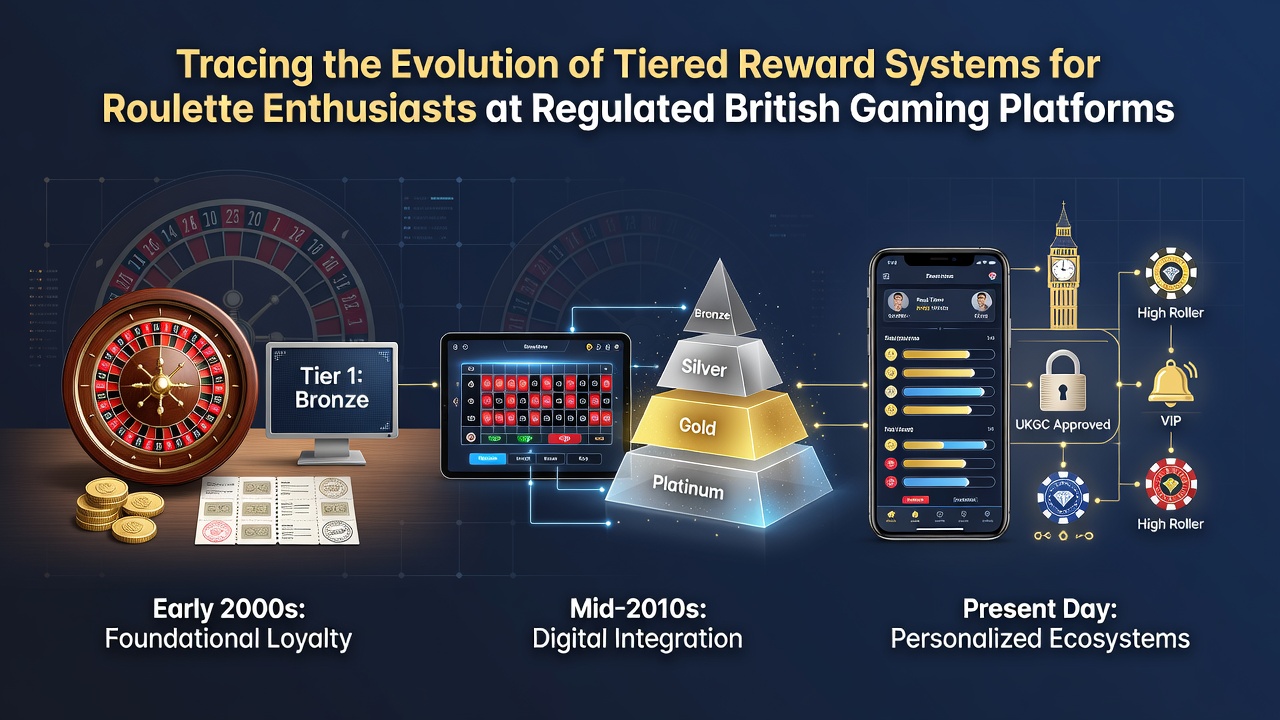
Regulated British gaming platforms have developed tiered reward structures over several decades, shifting from basic point accumulation to multi-level programs that deliver escalating benefits based on player activity and particularly on roulette engagement, while data from industry reports indicates these systems now integrate cashback, exclusive tables, and personalized offers that adapt to ongoing play patterns.
Foundations in Early Loyalty Mechanics
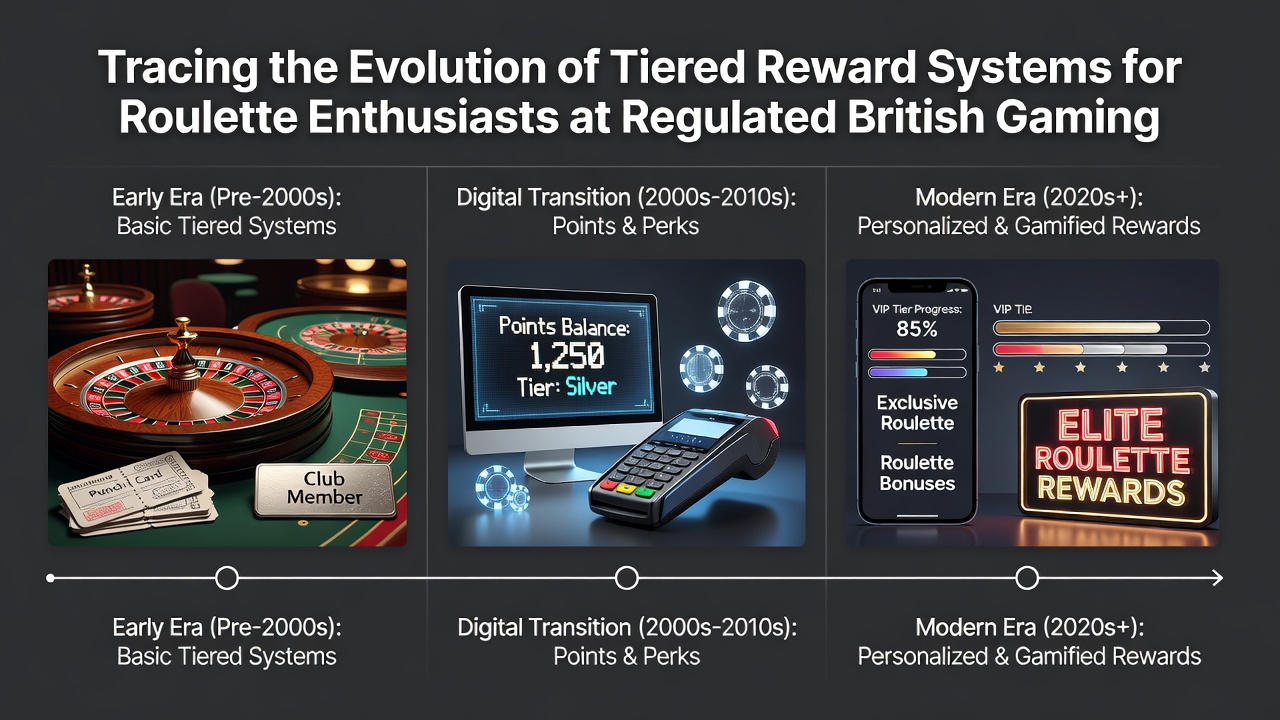
Initial casino reward efforts in Britain centered on straightforward point collection systems introduced during the expansion of online platforms in the late 1990s and early 2000s, where participants earned credits for wagers placed on roulette wheels and other games, then redeemed those points for limited perks such as free spins or small deposit matches, yet observers note that roulette contributions often carried reduced weighting compared to slots because of the game's lower house edge and slower pace of play.
By the mid-2000s, several operators began experimenting with entry-level tiers that granted access to dedicated support channels and slightly improved bonus terms, while researchers tracking player retention found that even modest tier progression encouraged longer sessions at the roulette table since accumulated points unlocked incremental advantages without requiring substantial additional deposits.
Expansion Through Structured Levels
During the 2010s, tiered frameworks grew more sophisticated as platforms introduced bronze, silver, and gold designations that scaled rewards according to cumulative wagering volume, and this period saw the addition of cashback percentages that increased with each tier while roulette enthusiasts benefited from higher contribution rates on live dealer variants that simulated physical casino environments more closely than earlier RNG versions.
One case documented by analysts revealed operators adjusting their algorithms so that regular roulette play accelerated tier advancement, because the steady betting rhythm allowed consistent point accrual even when individual spins produced variable outcomes, and platforms responded by offering tier-specific reload bonuses that applied directly to roulette stakes.
Integration of Digital Tracking and Personalization
Advancements in data analytics during the early 2020s enabled platforms to monitor individual roulette patterns in real time, which allowed automatic tier adjustments and tailored offers such as reduced wagering requirements on tier-up bonuses, while figures from international gaming associations show that European operators, including those serving British markets, reported measurable increases in session duration once players reached mid-tier status with access to private roulette rooms.
According to a study published by the Nevada Gaming Control Board on cross-jurisdictional loyalty trends, similar tier models adopted in the United States demonstrated that players engaging primarily with roulette advanced through levels at rates comparable to slot users once contribution multipliers were calibrated, prompting British platforms to refine their own systems along parallel lines.
Updates Observed in Mid-2026
In August 2026, multiple regulated platforms rolled out refinements to existing tiers that incorporated cryptocurrency deposit bonuses and enhanced mobile tracking interfaces, allowing roulette participants to view real-time progress toward the next level without leaving the game interface, and these changes coincided with broader industry shifts toward seamless cross-device experiences that maintained consistent reward accumulation regardless of whether play occurred on desktop or mobile applications.
Additional features introduced around that time included tier-locked tournaments featuring roulette variants with boosted prize pools, while data compiled by the Victorian Responsible Gambling Foundation in Australia highlighted how comparable tier incentives in other regions correlated with sustained player engagement across table games including roulette.
Conclusion
The progression of tiered reward systems on regulated British platforms reflects broader technological and regulatory developments that have shaped how operators structure incentives for roulette enthusiasts, with ongoing refinements continuing to balance player retention against compliance requirements across multiple jurisdictions.