Repeat Incentive Mechanisms and Their Effects on Roulette Engagement Levels at UK-Licensed Operators
Greta Krause · Jun 15, 2026
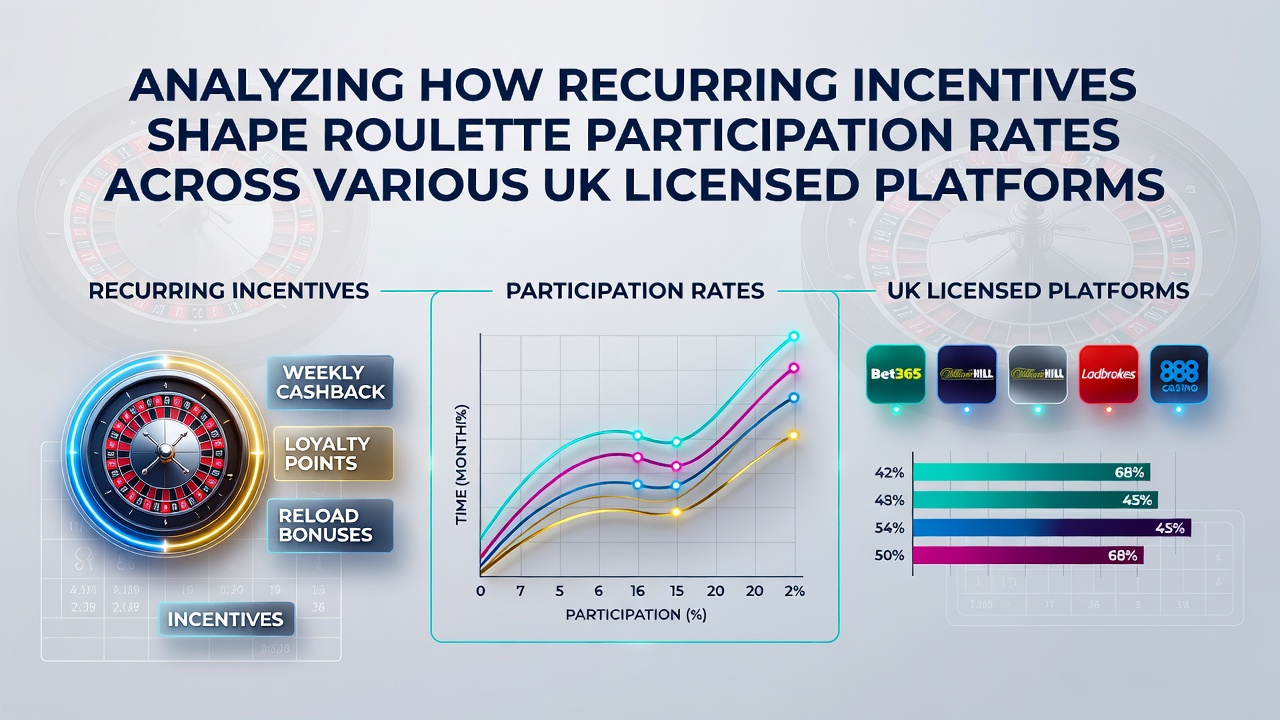
Repeat Incentive Mechanisms and Their Effects on Roulette Engagement Levels at UK-Licensed Operators
Recurring incentives such as reload bonuses, cashback programs, and tiered loyalty rewards have become standard features across multiple UK-licensed platforms where roulette remains a core offering; these structures encourage sustained player activity by tying repeated deposits and play sessions to ongoing returns, and participation metrics tracked through June 2026 show measurable shifts in how often users return to roulette tables when such programs operate consistently.
Operators structure these incentives differently, yet common patterns emerge where weekly reload matches or percentage-based cashback on net losses correlate with higher session frequencies, while platforms that layer multiple incentive types together often record steadier roulette participation compared with those offering one-off promotions alone.
Types of Recurring Incentives in Roulette Markets
Reload bonuses typically activate on subsequent deposits after an initial welcome package expires, and many sites apply them on a fixed schedule such as every Monday or Friday, which aligns with observed spikes in roulette activity during those windows, whereas cashback schemes return a portion of losses over a defined period and researchers tracking platform data note that these mechanisms extend average session lengths because players continue spinning to offset prior results.
Loyalty tiers add another layer by granting escalating benefits as cumulative play volume grows, and analysts examining records from several licensed operators find that players who reach mid-level tiers demonstrate roulette participation rates that remain elevated for longer stretches than those who stay at entry levels, since the promise of improved rewards creates a feedback loop that sustains engagement.
Participation Rate Variations Across Platforms
Data compiled from different UK-licensed sites through the first half of 2026 reveals that platforms emphasizing cashback on roulette losses experience participation increases of notable magnitude during periods when these offers run weekly, while sites focused on loyalty point accumulation see steadier but less dramatic rises distributed across the month; one pattern that stands out involves operators combining reload matches with cashback, where combined structures produce participation curves that stay above baseline for extended intervals.
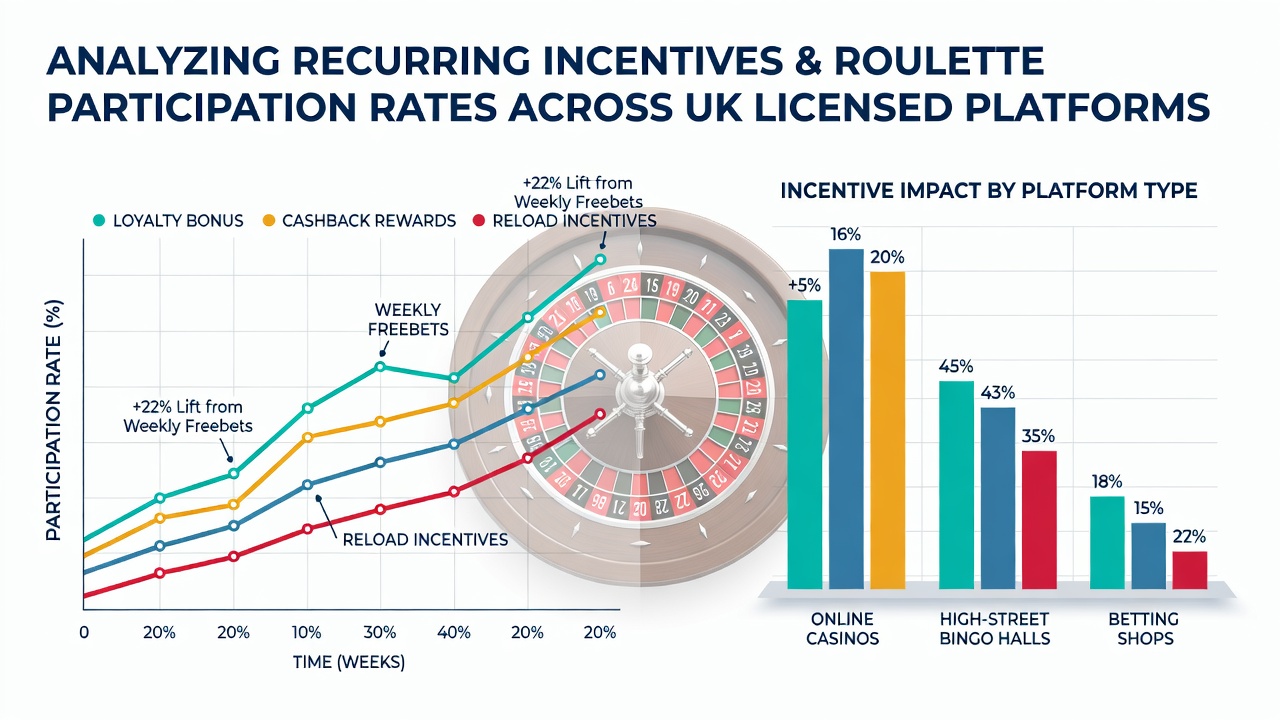
According to the European Gaming and Betting Association, repeat incentive frameworks influence retention across regulated markets in ways that extend beyond single promotions, and figures from several operators indicate that roulette tables on sites with structured weekly rewards maintain higher active user counts during mid-week periods when general activity might otherwise decline.
Influence on Player Behavior Patterns
Observers tracking user logs across platforms report that recurring incentives prompt more frequent logins, particularly when rewards reset on predictable cycles, and this regularity translates into roulette receiving a larger share of total playtime because players return specifically to utilize active offers before they expire; in contrast, platforms without recurring structures show flatter participation lines that drop more sharply after initial welcome bonuses end.
A report issued by the Australian Gambling Research Centre highlights similar dynamics in other regulated environments, where ongoing reward systems sustain table game involvement over months rather than weeks, and those findings align with patterns emerging from UK operators that apply comparable recurring frameworks to roulette products.
Platforms also adjust incentive parameters based on game contribution percentages, and roulette often carries lower weighting toward wagering requirements than slots, which means players may spread activity across games yet still direct a consistent portion toward roulette when cashback or reload offers apply universally; this distribution keeps roulette participation from falling even as overall game variety expands.
Comparative Analysis of Licensed Operators
Operators with larger player bases tend to deploy more granular tier systems that reward incremental roulette play with bonus credits or free spins, and records from June 2026 indicate these graduated rewards correlate with participation stability across demographic segments, whereas smaller platforms relying on flat cashback percentages record sharper fluctuations tied directly to the timing of reward payouts.
Yet the underlying mechanism remains consistent: recurring incentives reduce the perceived cost of continued play by returning value on a schedule that matches typical user deposit patterns, and this alignment supports higher roulette engagement without requiring constant acquisition of new users.
Conclusion
Recurring incentives shape roulette participation across UK-licensed platforms through structured reward cycles that encourage repeated engagement, and available metrics through mid-2026 demonstrate that platforms integrating reload bonuses, cashback, and tiered loyalty elements achieve more consistent activity levels than those depending on isolated promotions; these patterns reflect how incentive design interacts with player return behavior across multiple operators.