Recurring Casino Offers Guiding Roulette Selections Through Loyalty Frameworks at UK Venues
Riley Hoffmann · Jul 25, 2026
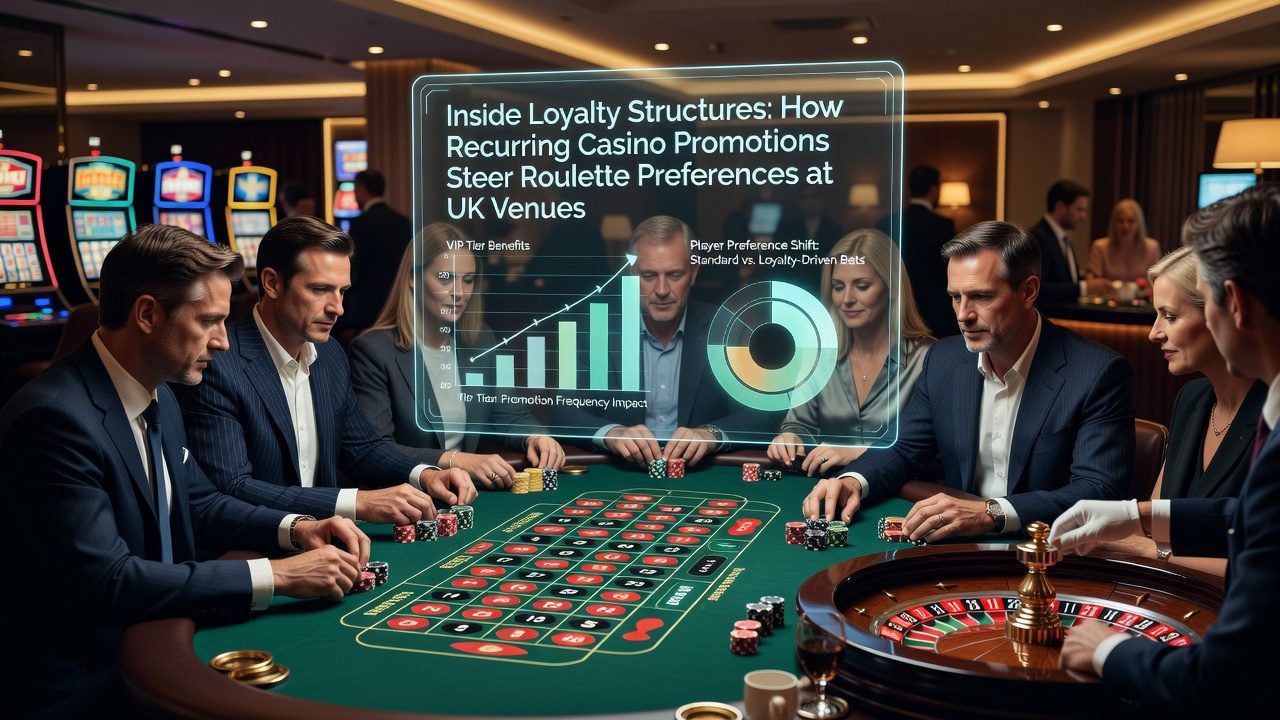
Recurring Casino Offers Guiding Roulette Selections Through Loyalty Frameworks at UK Venues
Data from industry reports indicates that recurring promotions in UK casino loyalty programs have directed player attention toward specific roulette variants since early 2025, with structured reward tiers encouraging consistent participation at live and online tables across major operators. Observers note that these frameworks often assign higher point values to European roulette formats compared to American versions, creating measurable shifts in game selection patterns among regular participants who accumulate benefits over multiple sessions.
Researchers from academic institutions have tracked how cashback mechanisms tied to weekly play volumes steer preferences toward tables with lower house edges, since those games allow extended sessions that maximize point accrual without rapid depletion of balances. One study revealed that participants enrolled in tiered loyalty schemes increased their roulette activity by measurable margins when promotions reset on the first of each month, a pattern that held steady through July 2026 according to aggregated operator data.
Point Systems and Game Variant Preferences
Operators structure loyalty points so that bets placed on roulette contribute at rates calibrated to encourage particular wheel types, and those who study these systems find that single-zero wheels frequently receive bonuses unavailable on double-zero layouts. This calibration occurs because points systems factor in theoretical win percentages, directing volume toward variants where players retain more of their stakes over time while still qualifying for recurring rewards such as free spins or deposit matches that apply only after certain thresholds are met.
Figures from European gaming associations show that loyalty members who reach mid-tier status during promotional cycles tend to migrate toward live dealer roulette streams, where real-time tracking integrates directly with account-based reward updates. Those who've examined participation logs observe that recurring offers like reload bonuses timed to coincide with major sporting events further amplify this preference, since the additional credits extend play windows precisely when roulette tables experience peak traffic.
Monthly Reset Cycles and Session Lengths
Recurring promotions often operate on calendar-based resets that reward consistent logins and minimum wager requirements, and data shows these cycles influence how long participants remain at roulette tables before switching to other games. Players who maintain activity across multiple weeks accumulate tier benefits that include reduced wagering on bonus funds, creating an environment where roulette selections become more deliberate as individuals aim to meet contribution thresholds that count toward loyalty advancement.

Industry reports from the Australian Gambling Research Centre highlight parallel trends in other regulated markets, where similar recurring structures led to sustained roulette engagement when cashback percentages increased with tier level. In UK venues the same dynamic appears, with participants extending sessions to trigger the next reward layer rather than exiting after initial wins or losses.
Integration With Deposit and Cashback Mechanisms
Many loyalty frameworks combine recurring deposit matches with cashback percentages that apply specifically to roulette losses, and those mechanisms steer preferences because they reduce net cost per spin while maintaining eligibility for future offers. According to findings published by the Canadian Centre for Gaming Research, operators who link cashback directly to tracked roulette play see higher retention among mid-volume participants who would otherwise rotate through multiple game types within a single visit.
What's interesting is how these layered incentives create feedback loops: players select roulette variants that maximize both entertainment value and reward accrual, then receive personalized offers based on that history, which in turn reinforces the original preference. External links to regulatory analyses from non-UK sources confirm that such patterns persist across jurisdictions when loyalty programs emphasize recurring rather than one-time incentives.
Conclusion
Overall the structures embedded in UK casino loyalty programs demonstrate clear connections between recurring promotions and roulette preferences, with point valuations, reset cycles, and cashback integrations directing sustained activity toward particular table formats and session durations. Data continues to accumulate through 2026, revealing how these systems maintain player engagement without relying on isolated welcome bonuses alone.