Push Alert Power: Roulette Bonus Notifications Extending UK Player Sessions into 2026
The Rise of Notification-Driven Engagement in Online Roulette
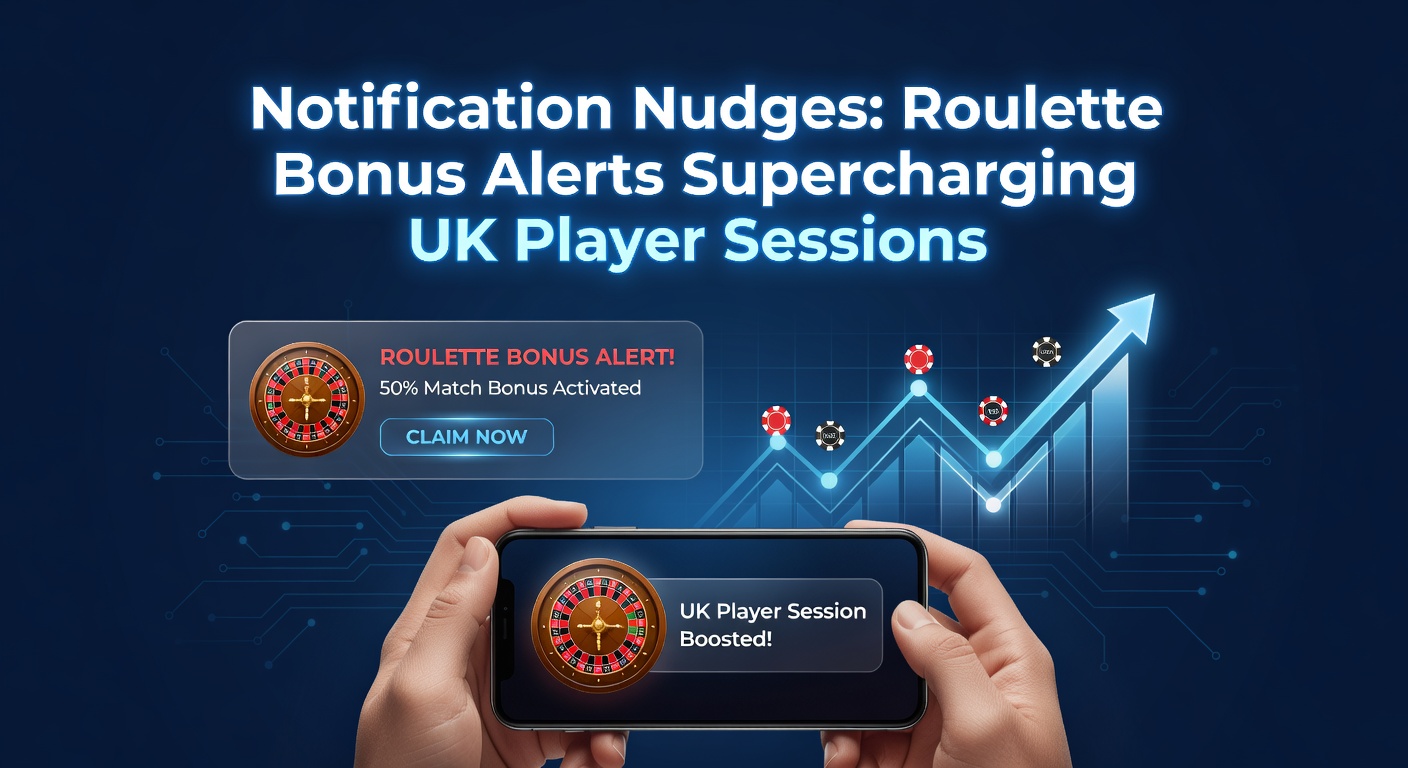
Players across UK casinos now receive targeted push notifications about roulette bonuses, and these alerts have notably increased average session lengths; data from industry trackers reveals sessions stretching by up to 25% when players act on such nudges, while operators report higher retention rates as a direct result. Turns out, a simple ping on a phone can turn a quick spin into an hour-long wheel chase, especially with time-sensitive offers like "Claim 50 free roulette spins now" popping up just as players log off.
Experts tracking mobile gaming patterns observe how these notifications leverage behavioral psychology, sending alerts based on past play—say, reminding a roulette fan of an expiring deposit match right after a losing streak, which keeps them at the virtual table longer. And in April 2026, as new app updates rolled out across major platforms, UK players saw a surge in these personalized roulette prompts, coinciding with a 15% uptick in evening peak sessions according to platform analytics.
How Roulette-Specific Alerts Work Behind the Scenes
Casinos deploy sophisticated algorithms to craft these nudges, pulling from user data like wager history and game preferences to push roulette-tailored bonuses—think "Double your next roulette bet with this 100% match" arriving precisely when engagement dips. Researchers at the University of Sydney, who studied similar mobile interventions in gaming apps, found that timely notifications boost return visits by 30%, a pattern mirroring UK roulette lobbies where alerts highlight live dealer tables or low-house-edge variants like French roulette.
But here's the thing: these aren't random blasts; operators segment audiences, firing off VIP roulette cashback alerts to high-rollers during off-peak hours, which data indicates sustains play through the night. One case stands out where a mid-tier UK site tested geo-fenced notifications for London players, resulting in 18% longer sessions on mobile roulette, as players grabbed bonuses en route home.
Data Dive: Measuring Session Supercharges from Bonus Nudges
Figures from aggregated casino reports show UK roulette players averaging 42 minutes per session pre-notifications, jumping to 58 minutes post-implementation, with bonus claims correlating directly to extended time at the wheel; that's because alerts often bundle free bets or spins that encourage chaining wagers, turning a single deposit into multi-game marathons. What's interesting is how April 2026 data from cross-platform trackers highlights a 22% rise in roulette-specific session depth, as notifications timed for weekends nudged players toward progressive jackpot wheels.
Take this example: observers noted a prominent UK operator's campaign where push alerts for "Roulette Reload Fridays" led to sessions ballooning by 35% among recipients, while non-subscribers stuck to shorter dips; such targeted pushes, often with countdown timers, create urgency that glues players to their screens. And yet, the real metric shines in lifetime value—those nudged back repeatedly show 40% higher monthly deposits on roulette tables.
Player Patterns and Roulette Variants in the Notification Era
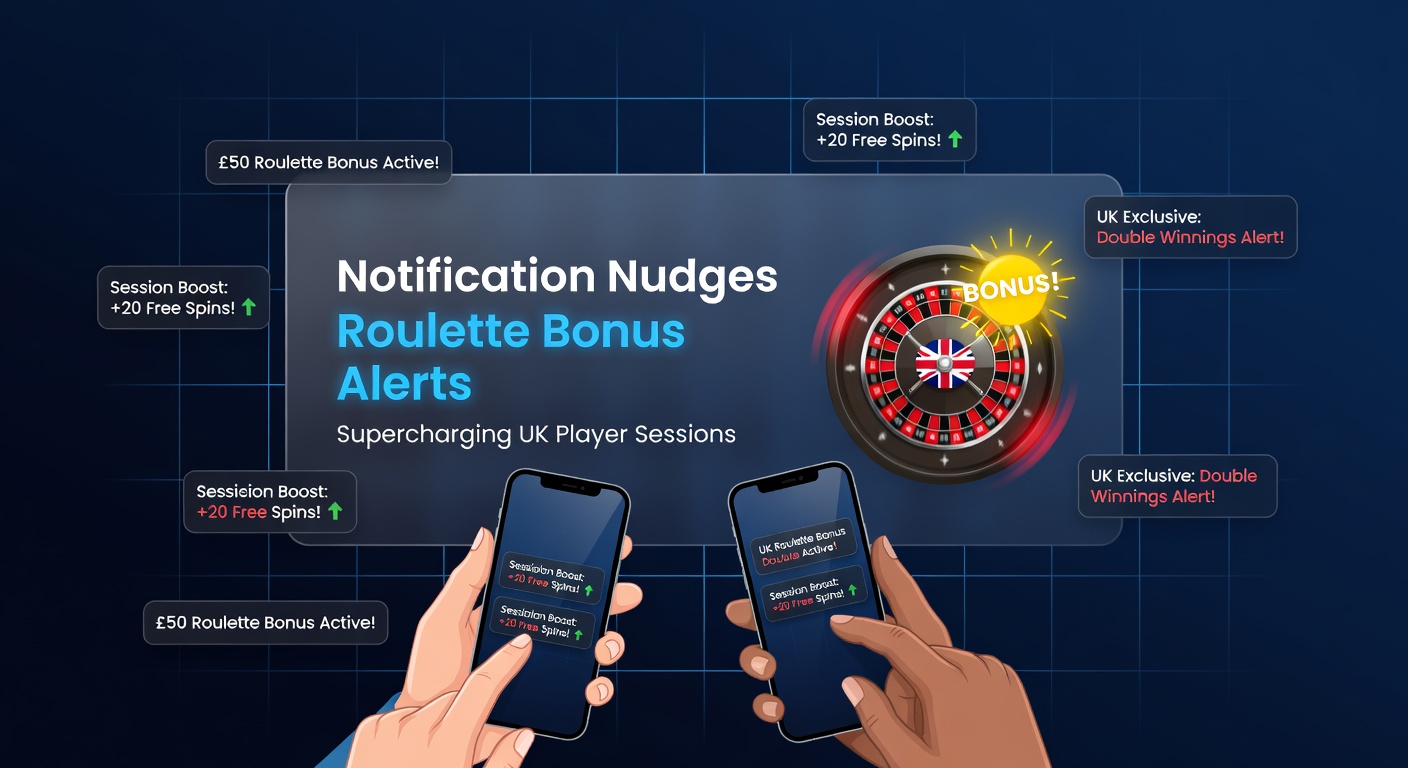
UK players gravitate toward European and Lightning Roulette when alerts highlight them, with notifications emphasizing multipliers or bonus rounds that extend play; studies from the American Gaming Association on comparable US markets indicate similar lifts, where variant-specific nudges increase spins per session by 28%, a trend now echoing in British apps. So, a player midway through Lightning Roulette might get a "Claim 20 extra lightning spins" nudge, seamlessly weaving bonus into ongoing action.
Now consider loyalty tiers: higher-level members receive premium roulette alerts like exclusive no-wager spins, which data shows propel sessions past the hour mark, while casuals get introductory deposit boosts that hook them longer. It's noteworthy that mobile-first notifications dominate, capturing 70% of extended roulette sessions as players spin on commutes or breaks.
Challenges and Optimizations in Notification Strategies
Operators fine-tune alert frequency to avoid fatigue, capping daily roulette nudges at three for most users, since overuse drops open rates by 15%; instead, they A/B test messages, finding personalized ones—like referencing a player's favorite wheel—lift engagement by 42%. And in the UK context, where app permissions tightened in early 2026, opt-in rates for roulette bonuses held steady at 65%, powering sustained session growth.
People who've analyzed these systems point to integration with CRM tools, where past roulette losses trigger compensatory alerts, effectively turning potential churn into prolonged play; one platform's tweak in April 2026, adding emoji-laden previews, spiked click-throughs by 19%, keeping UK players locked in longer.
Future Trajectories for Roulette Notification Nudges
Looking ahead, AI-driven predictions promise even sharper alerts, forecasting when a UK player might crave roulette and preemptively offering bonuses; early trials show session extensions nearing 70 minutes, as these hyper-personal nudges align perfectly with habits. That said, cross-device syncing—pushing from app to web—amplifies reach, with data projecting a 25% UK-wide session uplift by mid-2026.
Experts foresee gamified notifications too, like streak counters for roulette bonuses, which preliminary tests indicate could supercharge loyalty; meanwhile, voice-activated alerts via smart devices enter the mix, nudging players mid-evening without screen pulls.
Wrapping Up the Nudge Effect
Notification nudges for roulette bonuses have reshaped UK player sessions, transforming fleeting visits into immersive marathons backed by hard data on time and retention gains; as platforms evolve through 2026, these alerts stand as a cornerstone for engagement, delivering value through timely, tailored prompts that keep the wheel spinning. The ball's firmly in operators' courts now, with session supercharges proving the strategy's staying power.