Mapping Roulette Bonus Durations in British Player Loyalty Cycles
Greta Krause · Jun 29, 2026
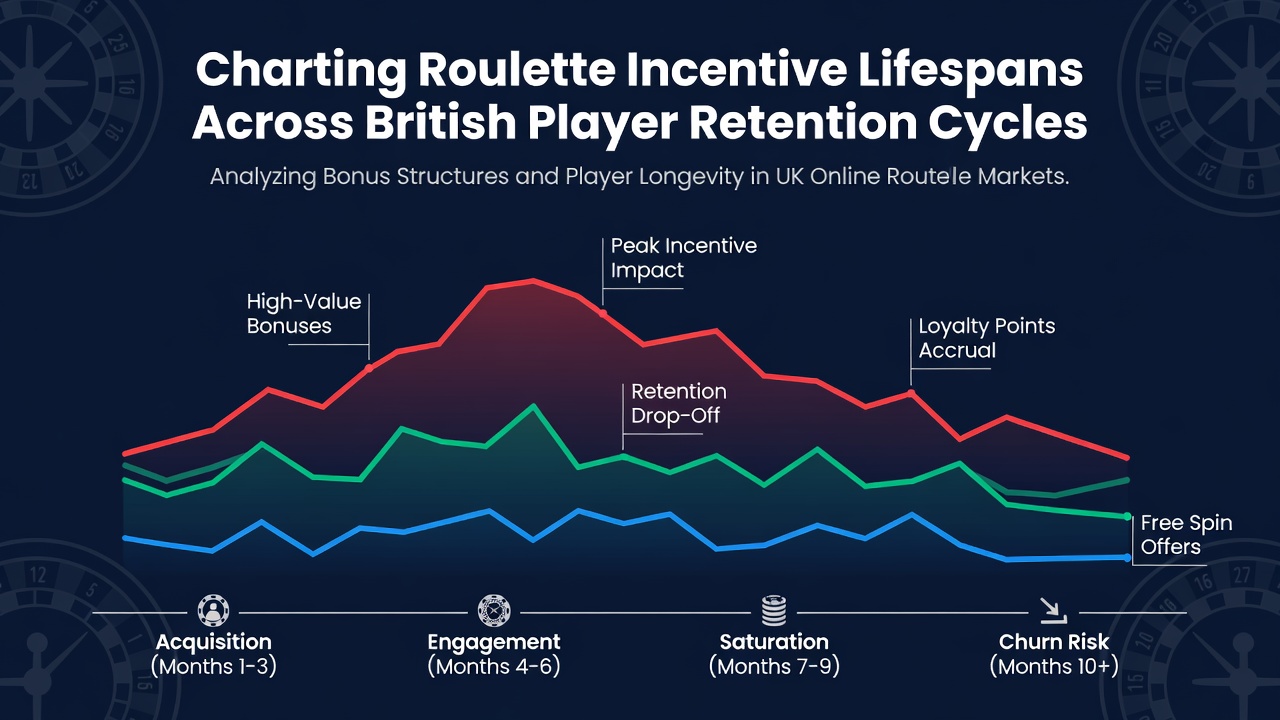
Mapping Roulette Bonus Durations in British Player Loyalty Cycles
Operators in the British market track roulette incentive durations as part of broader efforts to understand retention patterns, and data from multiple reporting periods reveal how promotional periods align with player activity cycles. Studies conducted through 2025 and into 2026 show bonus offers often span between seven and thirty days before expiration, while retention metrics indicate that players who engage within the first forty-eight hours after activation maintain higher activity levels across subsequent weeks.
Defining Incentive Lifespans in Context
Roulette promotions in the UK typically feature time-bound structures that include deposit matches, free spin allocations, and cashback arrangements, each carrying distinct validity windows. Industry analyses demonstrate that shorter-duration offers, those concluding within fourteen days, correlate with concentrated play sessions, whereas longer windows extending to forty-five days appear more frequently in loyalty programs aimed at sustaining engagement over multiple months. Researchers at various European institutions note that these patterns hold across both desktop and mobile platforms, with data sets from 2024 highlighting similar distributions regardless of game variant.
Retention Cycles and Promotional Timing
British player retention often follows quarterly rhythms where initial signup surges give way to steadier participation rates, and operators adjust incentive lifespans accordingly. Figures from regulatory filings in comparable jurisdictions such as those published by the Nevada Gaming Control Board illustrate parallel trends in bonus utilization, suggesting that promotional decay rates influence repeat visit frequency. In the UK specifically, data collected through spring 2026 indicates that incentives active during May and June periods see elevated redemption when paired with weekend-focused campaigns, leading to extended play streaks that stretch retention curves beyond standard thirty-day benchmarks.
One analysis of aggregated platform statistics revealed that players encountering renewed offers at the twenty-one-day mark demonstrate a measurable uptick in session length compared with those whose bonuses expire without follow-up. This timing overlaps with observed dips in natural activity that occur after the first fortnight, creating opportunities for operators to recalibrate lifespan parameters.
Data Patterns Across Multiple Quarters
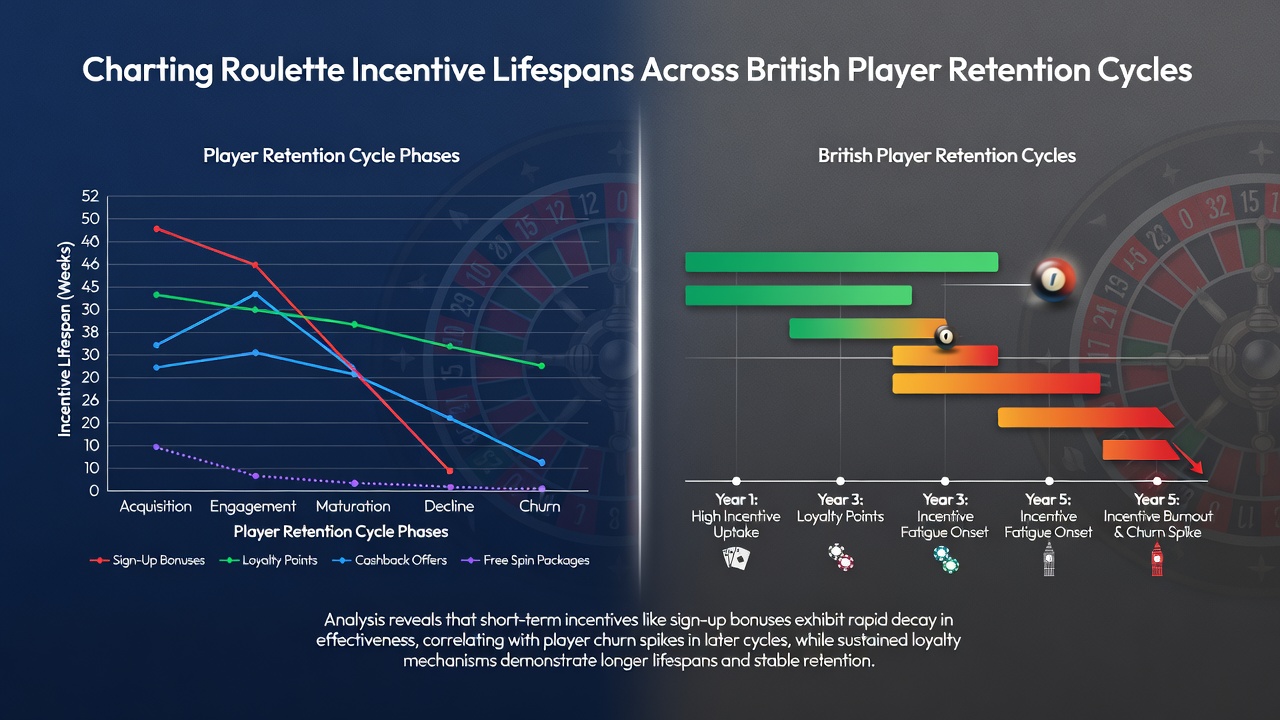
Longitudinal reviews compiled by academic groups and trade associations show consistent relationships between incentive length and retention velocity. Offers structured around twenty-eight-day cycles tend to bridge the gap between monthly billing statements and quarterly loyalty evaluations, resulting in smoother transitions from acquisition to habitual play. In contrast, ultra-short seven-day promotions cluster activity into intense bursts that produce high initial metrics yet require subsequent interventions to prevent drop-off.
June 2026 reporting windows captured an increase in hybrid models where initial short-term spins transition into extended cashback phases, a format observers link to stabilized retention figures across age demographics. These layered approaches appear in both established operators and newer market entrants, reflecting broader industry shifts toward adaptive lifespan management.
Comparative Insights from International Sources
Reports issued by the Canadian Centre on Substance Use and Addiction provide additional context on how bonus durations affect cross-border player behaviors, with findings that mirror UK observations regarding optimal windows for sustained engagement. Australian research bodies have similarly documented retention impacts tied to promotional expiry dates, reinforcing the notion that lifespan calibration represents a universal operational consideration rather than a localized phenomenon.
Platform-level telemetry further indicates that roulette-specific incentives exhibit faster uptake when aligned with major sporting events or seasonal holidays, a factor that compresses or extends effective lifespans depending on external calendar influences. Operators monitoring these intersections report more precise forecasting models as a result.
Conclusion
Overall patterns emerging from retention cycle examinations point to incentive lifespan as a measurable variable within British roulette ecosystems. By aligning promotional durations with documented player behavior arcs, operators achieve more predictable engagement trajectories across successive quarters. Continued collection of granular data through 2026 and beyond will likely refine these mappings further, offering clearer benchmarks for future program design.