Interconnected Referral Networks: Sustaining Roulette Play Across British Licensed Platforms
Greta Krause · Jun 3, 2026
Interconnected Referral Networks: Sustaining Roulette Play Across British Licensed Platforms
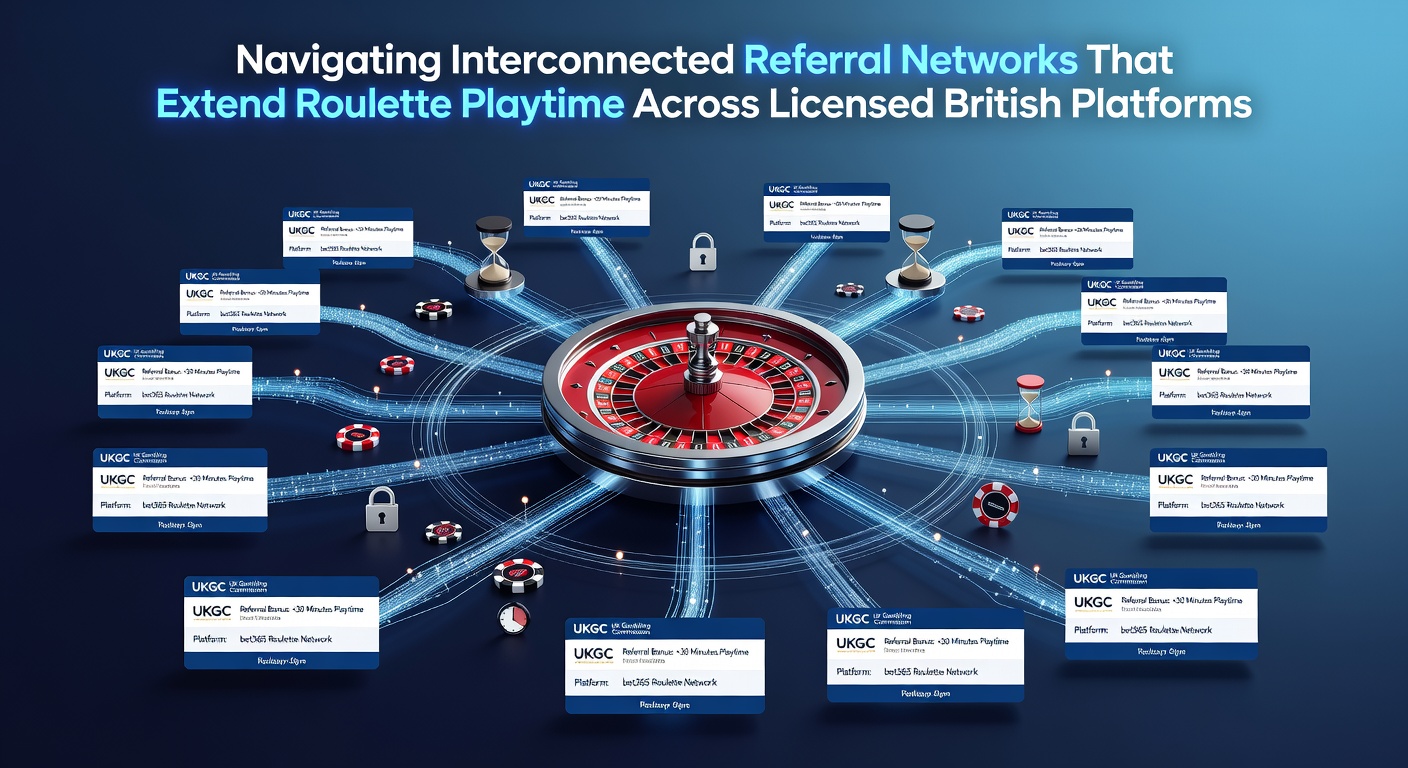
Referral networks in the British online casino sector connect licensed operators through shared player referral mechanisms that allow extended roulette sessions across multiple sites. These systems operate by linking accounts via unique referral identifiers, where activity on one platform triggers bonus eligibility on another, thereby extending total playtime without requiring separate registrations for each venue. Data from industry tracking services indicates that such networks have expanded notably since 2024, with participation rates among roulette-focused players rising as operators integrate API-based referral protocols. Operators within these networks maintain compliance with licensing standards set by the appropriate regulatory bodies, ensuring that cross-platform transfers of promotional credits follow strict verification processes. Players who engage with one site receive referral codes that unlock matching play opportunities elsewhere, often tied to roulette-specific wagering requirements that contribute toward overall session duration. Figures reveal that average playtime per user increases when these links activate, because bonuses transfer seamlessly between participating platforms rather than resetting upon each new login.Mechanics of Network Integration
Referral networks function through centralized tracking databases that record player movements between sites, using encrypted identifiers to prevent duplication while permitting bonus stacking under defined limits. When a roulette player completes a qualifying session on platform A, the system automatically notifies connected operators, granting access to additional spins or deposit matches on platform B within the same network. This process relies on real-time data synchronization, which minimizes delays and keeps momentum intact during extended play periods.
Technical standards adopted by participating British operators include standardized data formats for referral handoffs, allowing smaller sites to join established networks without extensive custom development. Research from academic studies on digital gaming ecosystems shows that these integrations reduce player churn rates, as individuals remain active longer by cycling through linked venues instead of seeking external options. In June 2026, several networks implemented enhanced encryption layers following updates to cross-border data protocols, which further stabilized connections between UK-based platforms and their European affiliates.
Player Pathways and Session Extension
Those who navigate these networks often begin with a single registration that propagates across the system, unlocking progressive rewards based on cumulative roulette activity. For instance, one documented case involved players moving from a mid-tier operator to premium tables after meeting referral thresholds, where extended sessions resulted from chained bonus releases rather than isolated promotions. Observers note that the structure encourages consistent engagement because each completed cycle feeds eligibility for the next, creating a continuous loop supported by the underlying network architecture.
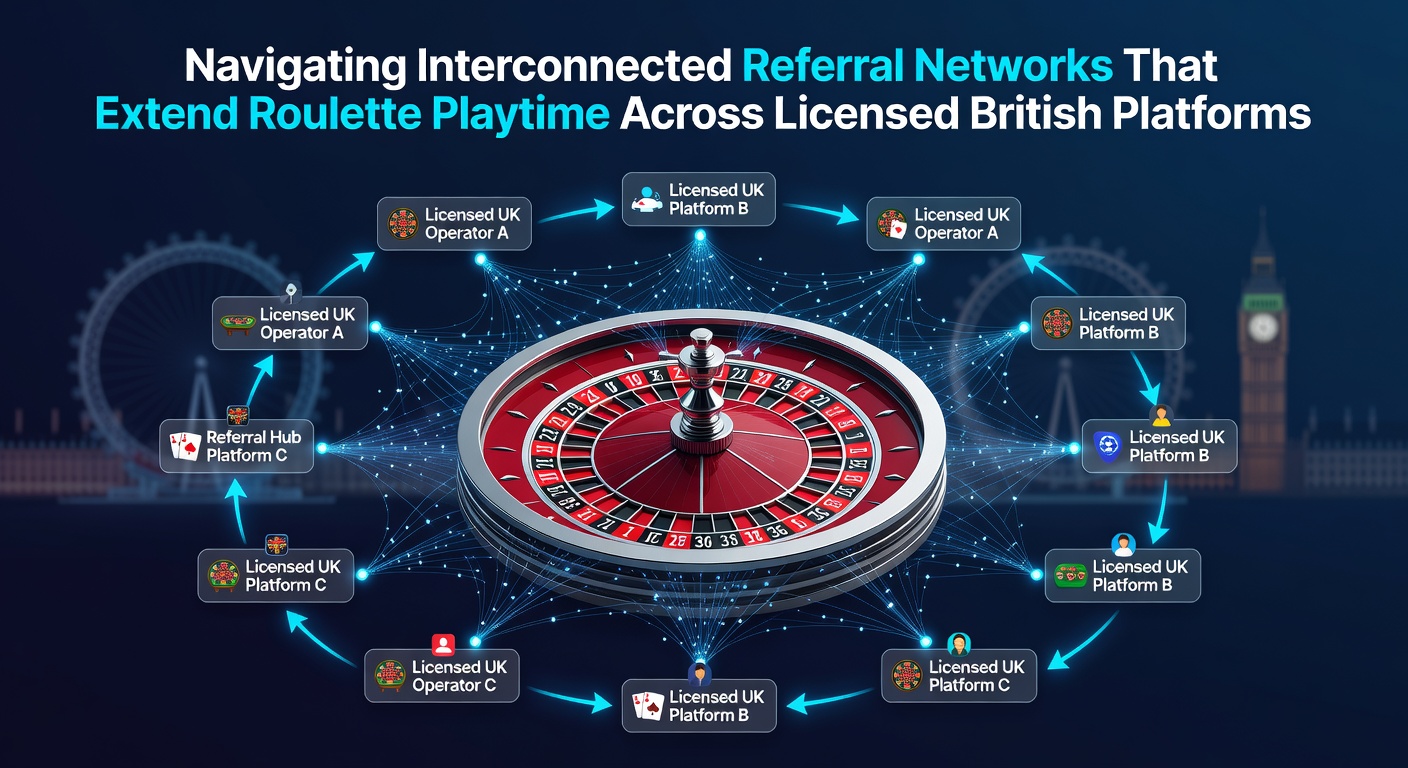
Geographic restrictions within the networks ensure that only UK-licensed entities participate, maintaining separation from offshore operations while still permitting internal expansions. Reports from the Australian Gambling Research Centre highlight similar referral models in other regulated markets, where interconnected systems produced measurable increases in session length across table games. British implementations adapt these approaches by focusing on roulette-specific metrics, such as spin volume and table variety, to calibrate bonus releases.
Regulatory Context and Network Growth
Expansion of these referral structures aligns with broader shifts in European gaming oversight, where emphasis on player retention tools has grown alongside responsible gaming mandates. The Canadian Gaming Association published findings in early 2026 that documented parallel network developments in North American jurisdictions, noting how referral linkages helped operators sustain engagement metrics without violating spending caps. British platforms apply comparable safeguards, including automated session timers that pause bonus activation if predefined limits approach.
Network operators coordinate through industry consortia that establish common referral standards, reducing fragmentation and enabling smaller licensed sites to benefit from larger traffic flows. Evidence suggests that roulette players utilizing multiple connected platforms report higher total play hours, driven by the seamless transition of promotional value rather than standalone offers. In June 2026, updates to interoperability guidelines further streamlined these handoffs, incorporating feedback from previous integration tests.
Conclusion
Interconnected referral networks continue to shape how roulette playtime distributes across licensed British platforms by facilitating structured transitions between operators. These systems rely on technical linkages and compliance frameworks that prioritize sustained activity while adhering to regulatory boundaries. As integration technologies advance, the scope of such networks may broaden further, supporting extended sessions through coordinated bonus mechanisms without altering core licensing requirements.