Decoding Stacked Incentive Frameworks in Roulette Promotions at UK Licensed Operators
Mia Krüger · Jul 22, 2026
Decoding Stacked Incentive Frameworks in Roulette Promotions at UK Licensed Operators
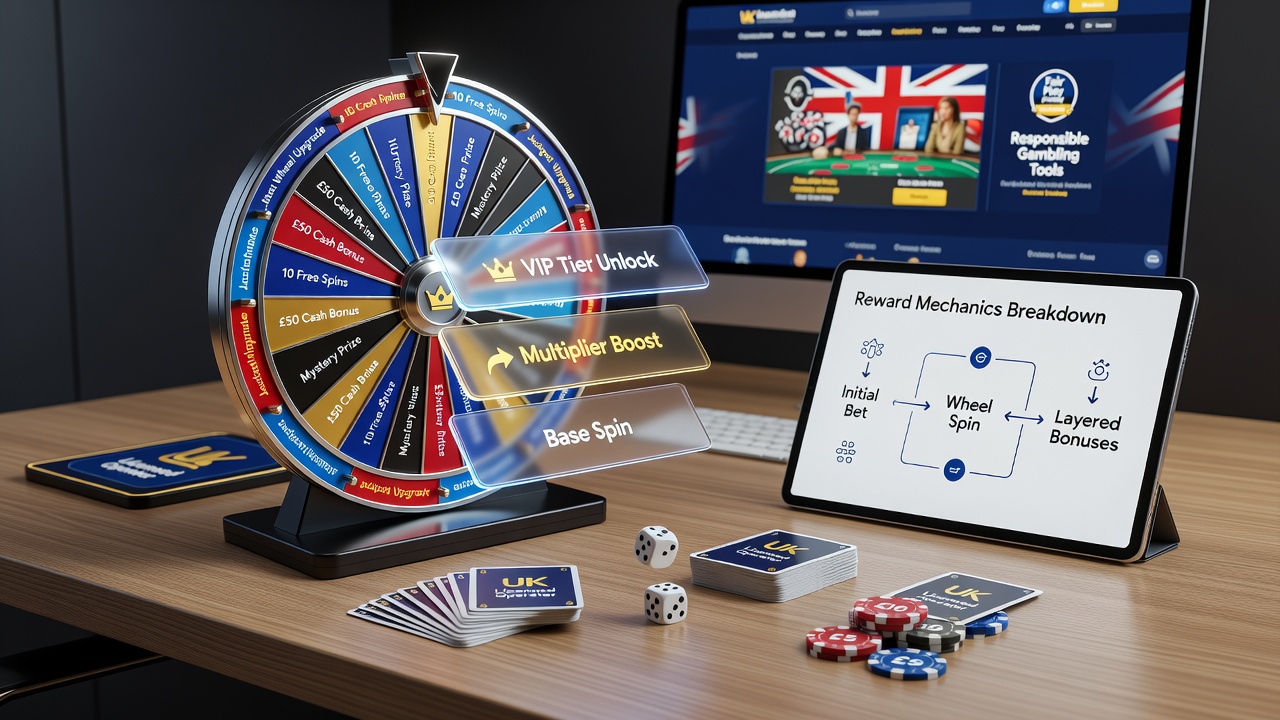
Operators across licensed British platforms structure roulette promotions through multiple overlapping components that activate sequentially based on player activity levels and deposit patterns. These frameworks typically combine initial welcome packages with recurring loyalty elements and targeted cashback mechanisms, creating pathways where each layer modifies the effective wagering requirements applied to wheel game play. Data from industry reports indicate that such stacking occurs most frequently during periods of regulatory reporting cycles, including updates released around July 2026 that track shifts in bonus contribution rates for table games. The base layer often consists of a match bonus applied to the first deposit, where operators allocate a percentage of the funded amount as playable credit restricted or unrestricted depending on game type. Roulette contributions to these requirements range from 10 to 20 percent according to aggregated platform disclosures, which means players must generate higher overall stakes to clear conditions when focusing exclusively on wheel games. This mechanic interacts directly with subsequent layers because any unspent bonus balance carries forward into loyalty tracking systems that monitor cumulative deposits over defined intervals.Sequential Activation Patterns in Multi-Tier Systems
Players encounter the second tier once initial wagering completes or when deposit thresholds trigger additional credits. These mid-level rewards frequently appear as reload bonuses issued weekly or monthly, and they layer onto existing balances without resetting prior progress toward cashout eligibility. Observers note that British platforms synchronize these offers with seasonal events, adjusting percentage matches or adding free spin allocations tied specifically to roulette variants. The interaction creates a compounding effect where each new credit inherits the same contribution weighting applied to the original bonus pool.
Evidence from platform audits shows that cashback functions as the third active layer in many structures, returning a fixed percentage of net losses accumulated during a promotional window. This component activates independently yet references the same game contribution rules, so roulette sessions influence both the cashback amount and any remaining wagering obligations from earlier tiers. Operators enforce daily or weekly caps on these returns to maintain compliance with license conditions while still allowing the mechanics to encourage continued engagement.
Contribution Weighting and Cross-Layer Dependencies
Weighting tables published by individual sites assign distinct percentages to different game categories, with roulette consistently positioned below slots in terms of how much each bet advances overall requirements. When layers stack, the system calculates progress across all active bonuses simultaneously, applying the lowest applicable rate to wheel game wagers. Researchers examining these models have documented cases where players must exceed standard requirements by 30 to 50 percent when prioritizing roulette over higher-contributing titles, according to findings compiled by the European Gaming and Betting Association.
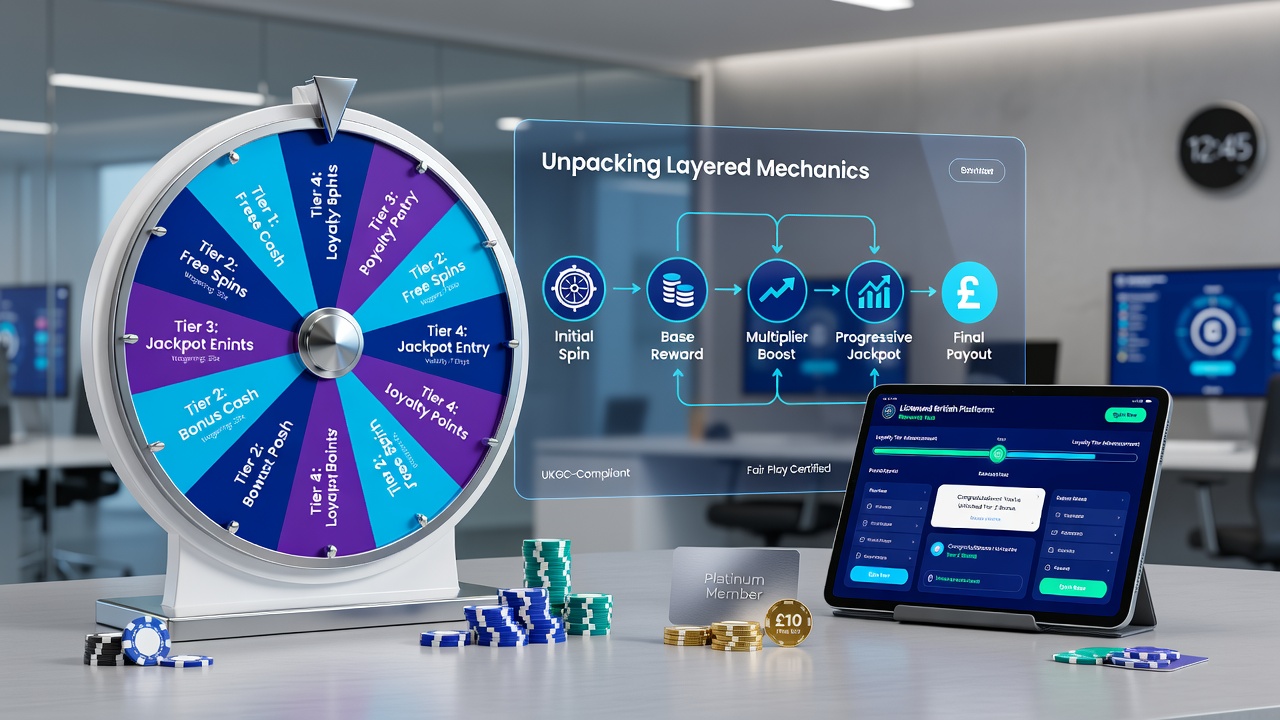 Loyalty programs introduce the fourth layer through point accumulation that converts into bonus credit or exclusive reload offers. Points accrue per wagered unit regardless of game contribution rates, yet redemption thresholds often align with the same wagering multipliers used in deposit bonuses. This alignment means players who focus on roulette accumulate points at the standard rate while advancing bonus clearance at the reduced rate, producing extended timelines before full access to accumulated rewards becomes available.
Regulatory Context and Platform Variations
Licensed operators must publish clear terms detailing how each layer interacts, including maximum bet restrictions during bonus play and exclusion periods between promotional cycles. Variations appear across sites, with some applying flat contribution rates across all roulette types while others differentiate between European, American, and live dealer formats. Reports from academic sources including studies conducted at the University of Nevada Reno highlight that transparent disclosure of these weighting systems correlates with higher player retention metrics across multiple jurisdictions.
During July 2026 reporting periods, several platforms adjusted their roulette-specific multipliers in response to updated responsible gambling guidelines, shifting certain live variants into lower contribution brackets. These changes propagate through stacked systems because any active bonuses at the time of adjustment inherit the revised rates for remaining wagering. Operators communicate such updates through account notifications and updated terms pages to maintain compliance.
Conclusion
Layered reward mechanics in British roulette promotions operate through interconnected components that modify player progress based on deposit size, loss amounts, and loyalty accumulation. Each tier references shared contribution tables that determine how wheel game activity advances or delays access to subsequent rewards. Platforms maintain these frameworks under license conditions that require explicit documentation of all interactions, allowing players to track balances across multiple active offers simultaneously. The structure supports extended play cycles while enforcing the same regulatory limits applied to individual bonus types.