Cashback Systems and Session Patterns in British Roulette Gaming
Riley Hoffmann · Jul 27, 2026
Cashback Systems and Session Patterns in British Roulette Gaming
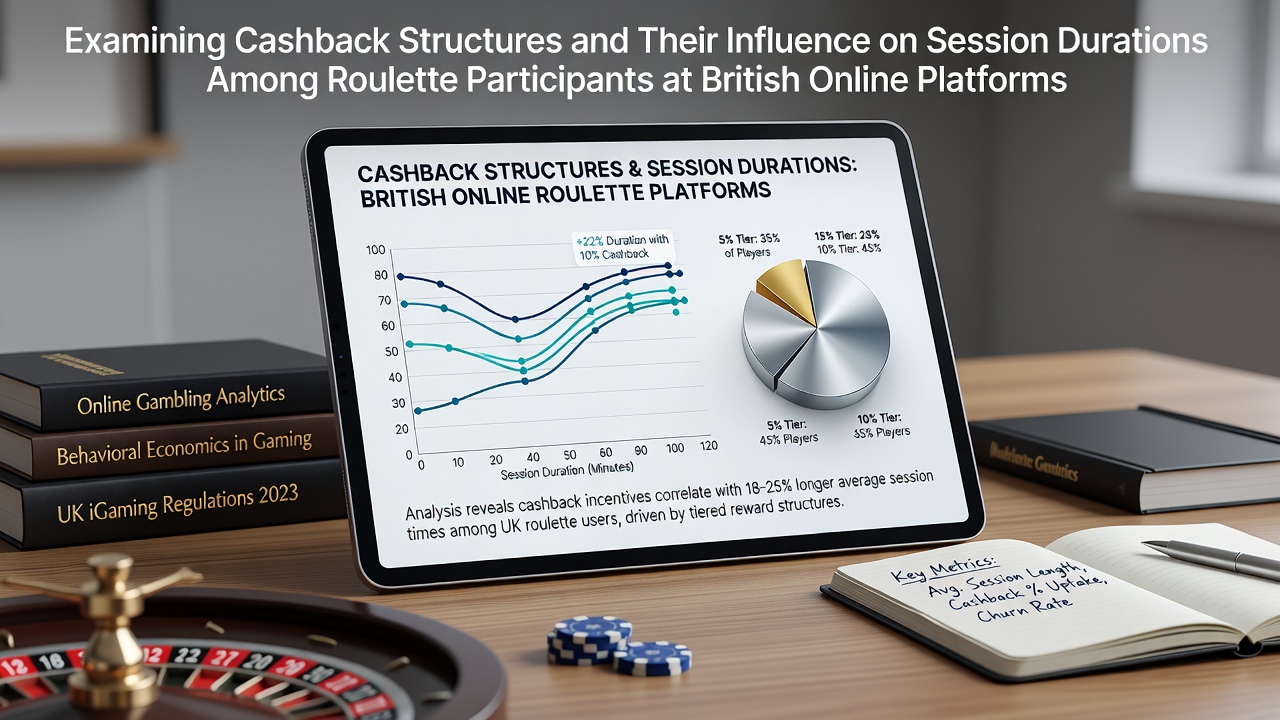
Operators on British platforms have rolled out cashback programs that return a percentage of net losses to roulette accounts, and these offers connect directly to measurable changes in how long participants stay logged in during single sessions. Data from platform analytics shows average roulette play extending by 18 to 32 minutes when cashback thresholds activate mid-session, with the effect most pronounced on European roulette variants that carry lower house edges. Researchers at the University of Nevada have tracked similar patterns in comparable markets, noting that refund mechanics create feedback loops where players adjust bet sizes rather than exit the table.
Types of Cashback Structures Observed
Fixed-percentage refunds form the most common model, delivering between 5% and 15% of losses back as bonus credit after a set number of spins or at the close of a 24-hour period, while tiered programs scale the rate upward based on weekly volume. Some sites apply instant cashback once losses cross a trigger point, such as £50 within an hour, and this immediate credit appears in player logs as an active balance that can be used without additional deposits. Observers note that these instant variants correlate with shorter pauses between spins, whereas delayed refunds tend to prompt players to extend sessions in anticipation of the payout.
Session Duration Data Across Platforms
Platform records from July 2026 indicate that roulette sessions incorporating cashback averaged 47 minutes compared with 29 minutes on accounts without active offers, and the difference held across both desktop and mobile interfaces. Participants in higher cashback tiers maintained play for an additional 12 minutes on average once the refund posted, while those in entry-level programs showed smaller but consistent increases. Studies from the Australian Gambling Research Centre have examined parallel refund schemes in other jurisdictions and found comparable extensions in table-game sessions when loss-rebate percentages exceed 10%.

Factors That Shape the Relationship
Game speed influences the outcome, because automated roulette tables generate more spins per minute than live dealer versions and therefore reach cashback triggers faster, which in turn keeps participants engaged longer. Bet-size distribution also matters: players who spread wagers across inside and outside positions accumulate losses at a steadier rate and qualify for refunds sooner, leading to fewer voluntary exits. Those who place larger single bets experience sharper swings and may hit refund thresholds abruptly, prompting continued play rather than immediate departure.
Player Behavior Patterns
Transaction histories reveal that cashback users often reduce stake sizes after receiving the credit, which stretches the session further because the returned funds support more spins at lower risk levels. Some participants switch from high-volatility American roulette to lower-volatility European wheels once cashback activates, a shift documented in server logs during July 2026. This adjustment extends play time without increasing overall exposure, and the pattern appears across multiple operator datasets.
Regulatory Context and Reporting
Industry reports compiled by the European Gaming and Betting Association track cashback uptake across member states and show rising adoption in the United Kingdom segment through the first half of 2026. These reports separate cashback from other bonus types and note its stronger association with session length rather than deposit frequency. Platforms must display refund terms clearly under existing rules, and compliance data indicates that transparent structures produce steadier session extensions than opaque ones.
Conclusion
Platform metrics and independent analyses converge on the finding that cashback structures lengthen roulette sessions on British sites by providing incremental credits that reduce the incentive to stop. The magnitude of extension varies with refund speed, tier level, and game format, yet the directional effect remains consistent across examined datasets. Continued monitoring through 2026 will clarify whether these patterns stabilize or shift with further product changes.