Algorithm-Driven Personalization: Matching Free Play Opportunities to Player Profiles in British Casinos
Greta Krause · May 18, 2026
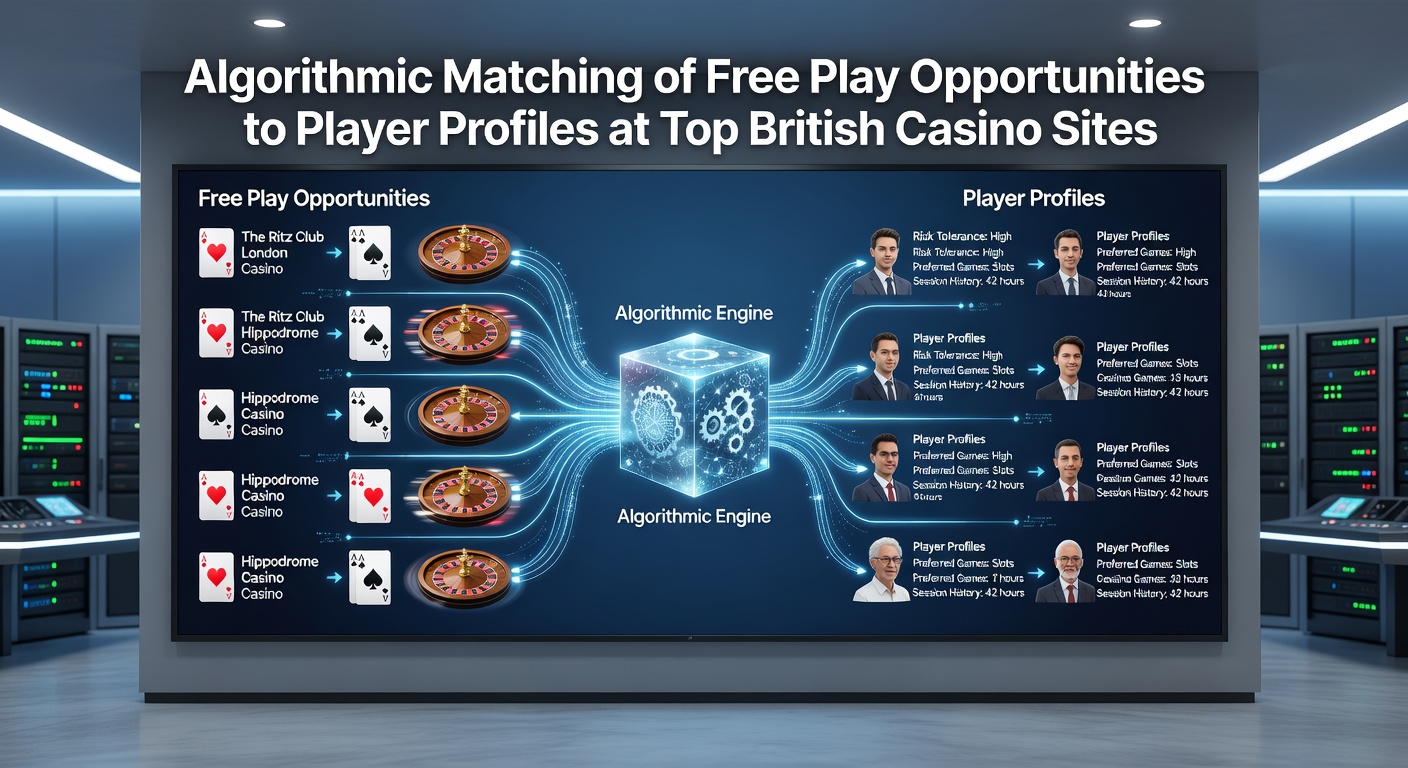
Algorithm-Driven Personalization: Matching Free Play Opportunities to Player Profiles in British Casinos
Top British casino sites rely on sophisticated algorithms to pair free play opportunities with detailed player profiles, and this process draws from extensive data collection on gaming habits, deposit patterns, and session durations. Observers note that these systems segment users into categories based on risk tolerance, preferred game types, and historical engagement levels, which allows operators to deliver targeted offers such as bonus spins or cashback credits. Research from the University of Nevada's Center for Gaming Research highlights how machine learning models analyze real-time behavior to refine these matches over successive interactions.
Building Detailed Player Profiles Through Data Layers
Operators gather information from multiple sources including registration details, transaction histories, and in-game choices, then compile this into dynamic profiles that update continuously. Experts have observed that variables like average bet size, game volatility preferences, and frequency of play combine to form clusters that algorithms use for prediction, and this segmentation helps distinguish high-volume players from occasional visitors. Data shows that profiles incorporate demographic factors alongside behavioral metrics, creating a foundation for offers that align with individual tendencies without requiring manual intervention.
Core Mechanisms Behind Algorithmic Matching
Matching engines employ collaborative filtering alongside predictive analytics to connect free play opportunities with suitable profiles, and these tools process thousands of data points in milliseconds to generate recommendations. One study revealed that reinforcement learning techniques allow systems to test offer variations and adjust based on response rates, which improves precision across different player segments. Industry reports indicate that such algorithms prioritize retention signals, such as recent login streaks or declining activity, to trigger timely free play allocations that encourage continued sessions at British casino platforms.
Integration of Advanced Technologies in May 2026 Updates
By May 2026 several leading sites incorporated enhanced neural network models that process cross-device data streams, allowing seamless profile syncing between mobile and desktop environments. These upgrades enable operators to factor in contextual elements like time of day and device type when matching offers, and evidence suggests this leads to higher conversion rates for personalized free play promotions. What's interesting is how integration with external data partners expands profile accuracy, drawing from aggregated industry benchmarks rather than isolated site metrics alone.

Practical Examples from Prominent Platforms
Take one major operator that implemented a tiered matching system where low-activity profiles receive introductory free spin packages while established players unlock matched deposit bonuses tied to their preferred roulette variants. There's this case where experts found that profile-based triggers reduced offer rejection rates by aligning reward types with demonstrated preferences, such as extended free play for table game enthusiasts. People who've studied these implementations often discover that the algorithms account for wagering contributions and game restrictions to maintain compliance while maximizing relevance.
Regulatory and Industry Oversight Considerations
Broader frameworks from bodies like the Australian Gambling Research Centre emphasize transparency in algorithmic processes, requiring operators to document how profiles influence offer distribution. Figures reveal that similar guidelines in other jurisdictions encourage audits of matching fairness to prevent unintended biases in free play allocation. Observers note that these standards push British sites to maintain auditable logs of profile updates and offer decisions, ensuring alignment with responsible gaming principles across the sector.
Future Trajectories for Profile-Based Matching
Advancements in real-time data fusion continue to shape how algorithms refine free play matches, and this evolution supports more granular segmentation that responds to shifting player patterns. Research indicates that emerging privacy tools will influence data handling practices, prompting operators to balance personalization depth with user consent requirements. The reality is that continued refinement in these systems positions top British casino sites to deliver increasingly precise opportunities tailored to evolving profiles.
Conclusion
Algorithmic matching of free play opportunities to player profiles stands as a central feature of operations at leading British casino sites, driven by layered data analysis and adaptive technologies. This approach connects specific offers with individual tendencies through established methods that prioritize engagement signals and behavioral insights, and ongoing developments through 2026 point toward further integration of contextual factors. Industry sources including the Center for Gaming Research at UNLV and reports from Australian gambling research initiatives provide supporting context on these practices, underscoring their role in shaping modern casino experiences.